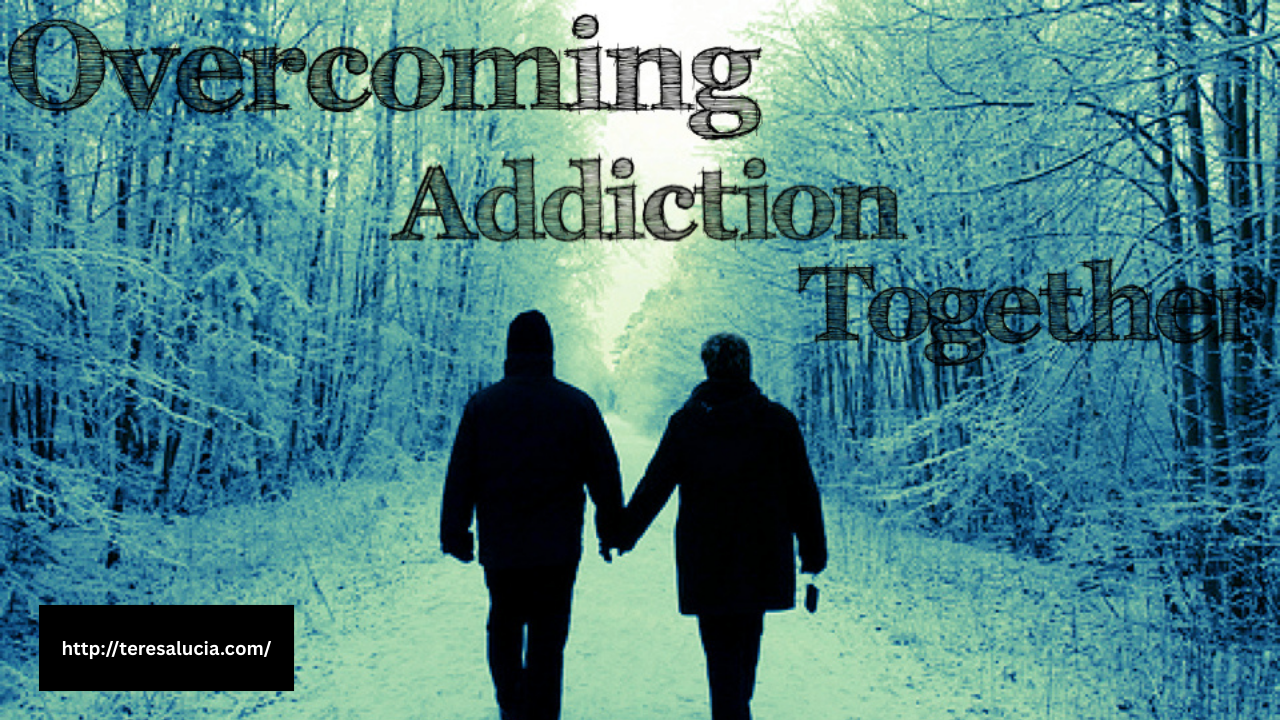
Addiction is a disease that affects more than just the individual—it impacts the entire family. The chaos, fear, and emotional distance that often accompany substance abuse can strain or even sever family relationships. But recovery offers a powerful opportunity not only for personal transformation but also for collective healing. When families choose to heal together, they build stronger, more resilient bonds that can endure life’s challenges.
The Ripple Effect of Addiction on Families
When a parent or loved one is caught in the grip of addiction, every member of the family feels the effects. Trust is eroded, communication breaks down, and emotional safety is compromised. Children may feel neglected or confused, while partners often bear the emotional and financial burdens of trying to hold the household together.
These experiences can lead to resentment, shame, and isolation within the family unit. However, acknowledging the impact of addiction is the first step toward healing. Recovery is not just about the individual getting sober; it’s about restoring harmony and connection within the family.
Recovery as a Family Journey
Healing as a family requires openness, empathy, and mutual effort. Recovery is a personal journey, but its success is often amplified by the strength of the family’s support system. Families that actively participate in the recovery process can rebuild trust, improve communication, and create a more nurturing environment.
Therapy and support groups designed for families of addicts—such as Al-Anon or family counseling—provide tools to process emotions, set healthy boundaries, and learn how to support their loved one’s recovery without enabling harmful behaviors. These resources also help family members address their own emotional wounds, fostering a healthier dynamic for everyone involved.
Rebuilding Relationships with Honesty and Love
Trust takes time to rebuild, especially after the lies and broken promises that often come with addiction. Consistency, accountability, and honest communication are key to mending relationships. Small gestures—like showing up on time, being emotionally available, and keeping promises—can slowly reestablish trust and credibility.
Parents in recovery can reconnect with their children through quality time and open conversations. It’s important to listen without judgment, validate their feelings, and reassure them of your commitment to change. Rebuilding the parent-child bond strengthens the child’s sense of security and opens the door to a deeper, more loving relationship.
Creating a New Family Narrative
Overcoming addiction provides an opportunity to rewrite the family story. Instead of being defined by pain or dysfunction, families can choose a path of resilience, growth, and unity. Embracing this new narrative means celebrating progress, no matter how small, and supporting each other through setbacks.
Families can also create new traditions and routines that reinforce their renewed commitment to each other. Whether it’s weekly family dinners, game nights, or regular check-ins, these shared experiences help reinforce emotional connection and build lasting memories.
Conclusion
Healing from addiction is not just about sobriety—it’s about restoring relationships and creating a supportive, loving home. When families commit to healing together, they cultivate strength, compassion, and a renewed sense of purpose. Together, they not only overcome addiction but also emerge more connected and resilient than ever before.