contributor

Thriving, Not Just Surviving: Embracing a Drug-Free Life for Your Family

Posted on by

Recovery from addiction is more than just abstaining from substances—it’s about embracing a new way of life, one that allows families to move from merely surviving to truly thriving. For parents, choosing a drug-free lifestyle is a powerful commitment that transforms not only their own future but also that of their children. It opens the door to health, connection, stability, and growth, laying the foundation for a brighter and more fulfilling life together.

Beyond Survival Mode

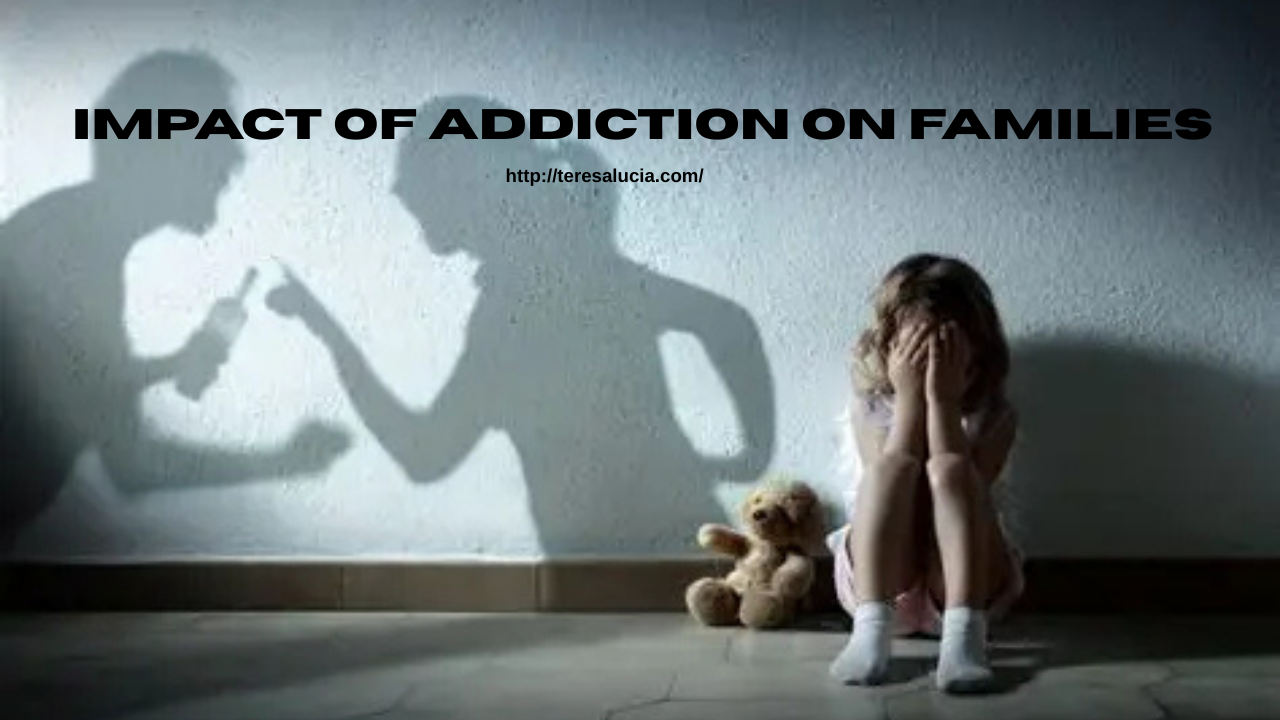
Addiction often forces families into a state of survival. Days become focused on managing crises, covering up mistakes, or just getting through the next hour. This constant stress can erode emotional well-being and rob families of joy and connection. Children raised in such environments often experience anxiety, confusion, and a lack of security.

Choosing sobriety shifts the focus from survival to intentional living. With clarity and purpose, parents can begin to rebuild their homes into safe havens where love, structure, and consistency thrive.

Building a Stable and Supportive Environment

A drug-free life allows parents to establish a home environment that supports growth and healing. Routines become dependable, communication becomes clearer, and emotions become more manageable. This stability is especially crucial for children, who need predictability and safety to develop trust and confidence.

Creating such an environment doesn’t require perfection. It requires presence, patience, and persistence. Parents who are engaged and emotionally available send a strong message: “You matter, and I’m here for you.”

Empowering Children Through Example

Living a drug-free life teaches children invaluable life lessons. They learn about responsibility, perseverance, and the importance of making healthy choices. Parents who model how to face challenges without turning to substances demonstrate real-life resilience and strength.

These examples become the framework for children’s own decision-making. They see that it’s possible to overcome adversity and build a life of purpose and fulfillment. This kind of influence helps break the cycle of addiction and plants seeds of hope for future generations.

Embracing Joy and Connection

Sobriety makes space for joy—the kind that comes from shared experiences, laughter, and genuine connection. It allows families to create new memories, celebrate milestones, and enjoy the simple pleasures of life together.

Whether it’s a weekend outing, a family game night, or just a heartfelt conversation at the dinner table, these moments form the fabric of a thriving family life. They provide not only healing but also a renewed sense of belonging and happiness.

Conclusion

Embracing a drug-free life is more than a recovery goal—it’s a commitment to thrive. It’s about choosing health, connection, and purpose over chaos and pain. For families, this choice creates a legacy of love, strength, and hope.

When parents take the courageous step toward sobriety, they do more than save themselves—they uplift their entire family. They pave the way for a future where each member can grow, succeed, and truly thrive together.

Replacing Addiction with Connection: A Parent’s Journey to Recovery

Posted on by

Addiction often isolates people, creating walls between them and the ones they love most. For parents, this isolation can be especially painful, as it separates them emotionally and physically from their children. However, recovery offers the chance to replace addiction with something far more powerful: connection. Rebuilding relationships and forming deeper bonds with children becomes not only possible but one of the most rewarding parts of a parent’s recovery journey.

The Isolation of Addiction

Addiction thrives in secrecy, shame, and disconnection. Parents struggling with substance abuse often withdraw from their families, either emotionally or physically. In doing so, they may miss important milestones, neglect daily responsibilities, or cause emotional distress in their children. This disconnection can leave lasting scars on young hearts and minds, affecting their self-esteem and sense of security.

Understanding the depth of this disconnection is often a crucial step in the recovery process. Many parents come to realize that their substance use didn’t just affect them—it impacted every member of the family.

The Power of Reconnection

Recovery provides an opportunity to heal these wounds and re-establish meaningful relationships. Choosing sobriety allows parents to be fully present and emotionally available. This newfound presence helps to rebuild trust and create a safe, supportive environment where children feel valued and loved.

Small, consistent efforts can make a significant impact. Reading bedtime stories, attending school events, sharing meals, or simply listening with undivided attention can begin to mend broken bonds. These acts of love and presence reassure children that their parent is committed to change.

Creating Emotional Safety

A crucial part of reconnecting with children involves creating emotional safety. This means being honest, vulnerable, and open to dialogue. It means allowing children to express their feelings about the past and validating those emotions without defensiveness.

Therapy and family counseling can be instrumental in guiding these conversations. A safe space to talk openly helps both parents and children process their experiences and move forward together. Emotional safety fosters resilience, empathy, and stronger familial ties.

Replacing Substance Use with Healthy Habits

Recovery isn’t just about quitting substances; it’s about filling that void with healthier habits and meaningful relationships. Parents can involve their children in this transformation by establishing new routines, setting goals together, and celebrating achievements, big or small.

Engaging in activities like exercise, cooking, or creative projects together not only reinforces sobriety but also strengthens the parent-child connection. These shared moments become building blocks for a new, healthier family dynamic.

Conclusion

Replacing addiction with connection is one of the most profound transformations a parent can experience. The journey to recovery is not easy, but it is deeply rewarding. As parents move away from the darkness of addiction, they step into the light of renewed relationships and meaningful bonds.

Through consistent love, open communication, and shared experiences, parents in recovery can show their children the power of healing and the strength of connection. In doing so, they not only reclaim their lives but also create a brighter, more connected future for their families.

Sober Parenting: The Greatest Gift You Can Give Your Child

Posted on by

Parenthood is filled with countless opportunities to shape and influence a child’s future. Among the many gifts a parent can give, one of the most profound is the gift of sobriety. Choosing to live a sober life isn’t just about personal recovery—it’s about being present, reliable, and emotionally available for the people who matter most: your children.

The Foundation of Security and Stability

Children thrive in environments where they feel safe, secure, and loved. Addiction, unfortunately, disrupts this sense of stability, often leading to emotional confusion, insecurity, and inconsistent care. In contrast, sobriety lays a strong foundation for a nurturing and structured home life where children can flourish.

When parents are sober, they are more capable of meeting their child’s physical and emotional needs. They can establish routines, provide consistent discipline, and create an atmosphere where children feel supported and understood. These seemingly simple acts have a profound and lasting impact on a child’s development and overall well-being.

Presence Over Presents

Being present is one of the most valuable things a parent can offer. Addiction can cloud judgment, reduce availability, and distract from life’s most important moments. Sober parenting means being fully engaged—attending school events, helping with homework, listening without distraction, and sharing in the joys and challenges of daily life.

Children remember presence more than material gifts. The memories created through genuine connection, shared experiences, and open conversations are the ones that truly shape their understanding of love and self-worth.

Modeling Healthy Coping Mechanisms

Children look to their parents to learn how to handle stress, disappointment, and emotions. When they witness a parent coping through addiction, they may internalize those behaviors as normal or acceptable. Conversely, when a parent models sobriety and healthy coping strategies, it teaches resilience, self-discipline, and the importance of seeking help when needed.

Sober parenting shows children that it’s okay to face life’s difficulties without numbing pain or escaping reality. It encourages emotional intelligence and promotes a culture of openness and mental well-being within the family.

Rebuilding and Strengthening Bonds

For parents in recovery, sobriety also offers a chance to rebuild relationships that may have been damaged by addiction. Trust can be restored through consistent actions, honest communication, and the sincere effort to change.

Children are often more forgiving than adults, and they crave connection with their parents. Even if the past was painful, showing up with honesty and love can begin the healing process and deepen the parent-child bond.

Conclusion

Sober parenting is more than a personal choice—it’s a life-changing gift for your child. It provides them with a safe and loving environment, sets a strong example, and fosters emotional and psychological well-being. By choosing sobriety, parents give their children not just a better today, but a brighter and more hopeful future. In a world full of uncertainty, a sober, loving parent is the most valuable gift a child could ever receive.

Parenting with Purpose: How Sobriety Builds a Brighter Future

Posted on by

Parenting is a lifelong commitment that requires patience, love, and intentionality. For those recovering from addiction, embracing sobriety is a powerful act of purpose that significantly transforms both the parent’s and the child’s future. Choosing a life free from substances isn’t just about personal healing—it’s about paving the way for a brighter, more stable life for the next generation.

The Importance of Purpose in Parenting

Being a parent means more than just providing food and shelter. It’s about offering guidance, being emotionally present, and modeling the values you want your children to carry into adulthood. When addiction takes hold, it can cloud judgment, hinder emotional availability, and create instability. However, when a parent chooses sobriety, they make a powerful statement: “My children matter, and I am committed to being the best version of myself for them.”

Parenting with purpose means recognizing the responsibility of shaping young lives and understanding that every choice made leaves a lasting impression. Sobriety provides the clarity and strength needed to make those choices with intention and care.

The Benefits of Sobriety for Families

Sobriety restores stability and predictability in a home environment. Children thrive in households where they know what to expect, feel secure, and have a routine. Addiction often disrupts these essential elements, leading to confusion, fear, and emotional turmoil.

When a parent is sober, they can be consistently present—both physically and emotionally. This presence fosters trust, deepens relationships, and allows for more meaningful interactions. Simple daily acts like helping with homework, attending school functions, or sharing meals become opportunities to bond and build memories that reinforce a child’s sense of worth and security.

Additionally, sobriety allows parents to teach resilience and responsibility by example. Children observe how their parents handle stress, setbacks, and emotions. When they see a parent committed to sobriety and personal growth, they learn that challenges can be overcome with strength, support, and determination.

Long-Term Impact on Children

Children raised in sober households are more likely to develop healthy coping mechanisms, stronger self-esteem, and better communication skills. They are also less likely to engage in risky behaviors themselves, having learned from their parents’ choices and the environment in which they were raised.

By choosing sobriety, parents give their children a future filled with possibilities, free from the burden of witnessing or experiencing the consequences of substance abuse. They are able to break generational patterns of addiction and create a legacy of hope and resilience.

Building a Support System

No one should have to navigate sobriety alone. Support groups, therapy, and recovery programs offer critical tools and community for parents committed to change. Surrounding oneself with people who understand the journey helps sustain motivation and provides encouragement through tough times.

Conclusion

Parenting with purpose is about showing up every day with love, intention, and clarity. Sobriety empowers parents to do just that. It’s a gift that ripples through the family, strengthening bonds and building a foundation for a brighter, more secure future. When parents choose sobriety, they are not just changing their own lives—they are lighting the path forward for their children.

Parenting Without Substance: The Journey from Addiction to Connection

Posted on by

Parenting is one of life’s most rewarding yet challenging roles. For parents battling addiction, the challenges often feel insurmountable. Addiction creates a barrier between parent and child, replacing connection with chaos and love with neglect. However, breaking free from addiction provides an opportunity to transform not only oneself but also the parent-child relationship. Parenting without substance allows for a renewed focus on love, trust, and connection, creating a healthier and happier family dynamic.

The Effects of Addiction on Parenting

Addiction disrupts the ability to parent effectively. Substance use often consumes time, energy, and resources that should be devoted to a child’s well-being. Parents may become emotionally unavailable, inconsistent, or unpredictable, leaving children feeling insecure or neglected.

Children of parents struggling with addiction often experience a range of negative outcomes, including anxiety, depression, and difficulty forming healthy relationships. They may also develop feelings of guilt, believing they are somehow responsible for their parent’s behavior. The lack of stability and nurturing during crucial developmental years can have lasting effects on a child’s emotional health and future success.

Choosing Sobriety: The First Step Toward Connection

The journey toward substance-free parenting begins with the decision to seek help. This is a courageous choice that prioritizes both personal health and the well-being of one’s children. Recovery is not an easy road, but it opens the door to healing and reconnection.

  1. Acknowledging the Impact: Recognizing how addiction has affected your ability to parent is an essential first step. This self-awareness fosters accountability and a genuine desire to repair relationships.
  2. Seeking Support: Recovery is a team effort. Professional treatment, therapy, and support groups can provide the tools needed to maintain sobriety and address the emotional wounds caused by addiction. Family therapy can be particularly helpful in mending broken relationships and rebuilding trust.
  3. Establishing Stability: Sobriety allows parents to create a more predictable and stable home environment. Routines, clear boundaries, and consistent behavior help children feel safe and secure, laying the foundation for stronger connections.

Rebuilding Relationships with Your Children

Once the haze of addiction clears, parents can begin the process of reconnecting with their children. This journey requires patience, honesty, and commitment.

  • Open Communication: Be honest with your children in an age-appropriate way about your struggles and recovery. Transparency helps rebuild trust and shows them that you are committed to change.
  • Quality Time: Spend time engaging in meaningful activities with your children. Whether it’s reading, playing, or simply talking, these moments foster a deeper bond.
  • Emotional Availability: Sobriety enables parents to be fully present, offering emotional support and understanding that children crave.

The Transformative Power of Substance-Free Parenting

As sobriety becomes a way of life, the transformation in the parent-child relationship is profound. Parents rediscover the joys of raising children, while children benefit from the stability and love they need to thrive. The journey from addiction to connection is not just about repairing the past; it’s about creating a brighter future for the entire family.

Sobriety also sets a powerful example for children. Witnessing their parent overcome challenges and choose a healthier path teaches resilience, accountability, and the value of self-care.

Conclusion

Parenting without substance is a journey of healing and growth. It’s about more than breaking free from addiction—it’s about reclaiming the joy and responsibility of raising children with love, compassion, and connection. Though the road may be challenging, the rewards are immeasurable: a stronger bond with your children, a healthier family dynamic, and the opportunity to leave a legacy of resilience and hope.

From Addiction to Affection: Reclaiming Your Role as a Healthy Parent

Posted on by

Addiction is a disease that doesn’t only harm the individual; it impacts families, relationships, and most importantly, children. For parents, addiction can create a rift between them and their children, replacing love and care with chaos and neglect. However, the journey from addiction to recovery is also a journey back to affection, healing, and reclaiming the vital role of a parent. It is a transformation that brings hope, stability, and connection back into family life.

Understanding the Impact of Addiction on Parenting

When addiction takes hold, it becomes a primary focus, often pushing aside the responsibilities and joys of parenthood. The consistent demands of substance dependency can lead to emotional unavailability, erratic behavior, and, in many cases, a lack of presence—whether physical or emotional. Children may feel abandoned, confused, or even develop feelings of guilt, believing they are somehow to blame for their parent’s struggles.

The environment created by addiction can be unpredictable, marked by conflict, financial instability, or neglect. Such conditions can deeply affect a child’s mental health, leading to issues like anxiety, depression, or difficulties in forming trusting relationships. It’s a cycle that not only disrupts the present but also risks affecting the future.

The Journey from Addiction to Affection

Choosing recovery is a courageous first step toward healing both yourself and your family. Sobriety allows parents to rebuild the connections damaged by addiction and reclaim their role as caregivers and nurturers. Here’s how the journey unfolds:

  1. Acknowledging the Damage: The path begins with acknowledgment. Understanding how addiction has affected your children and family is essential. This awareness fosters empathy and motivates you to rebuild the bonds that have been strained.
  2. Seeking Help: Addiction is not something most people can overcome alone. Therapy, support groups, or rehabilitation programs can provide tools to navigate recovery and equip you to be a better parent. Family counseling can also be an effective way to mend relationships and rebuild trust.
  3. Prioritizing Emotional Availability: Sobriety enables parents to be emotionally present for their children. This presence is key to creating a sense of security and fostering a nurturing environment. Children need to feel seen, heard, and valued—something addiction often compromises.
  4. Consistency and Reliability: Recovery allows parents to restore predictability and stability in their home. This might mean setting routines, following through on promises, and being there for everyday moments that were once overshadowed by addiction.
  5. Rebuilding Trust: Trust takes time to rebuild, especially if addiction led to broken promises or erratic behavior. Demonstrating accountability and honesty in your actions helps repair the parent-child relationship.

Transforming Family Life

As sobriety strengthens, affection naturally returns. Parents find joy in their children’s achievements, share laughter, and create memories free from the shadow of addiction. These moments are the building blocks of a healthier relationship.

Children benefit immensely from this transformation. They regain confidence in their parent’s role, feel a renewed sense of safety, and develop healthier emotional frameworks. The ripple effect of recovery also extends beyond the immediate family, improving relationships with extended family members, teachers, and peers.

Conclusion

Moving from addiction to affection is about more than just sobriety—it’s about rediscovering the profound love and responsibility that comes with being a parent. By embracing recovery, parents can create a home filled with warmth, trust, and emotional security. The process may not be easy, but the reward is immeasurable: a stronger, healthier bond with your children and a renewed sense of purpose as a parent. The journey is a testament to the resilience of families and the power of love to heal even the deepest wounds.

Breaking Free: How Saying No to Addiction Transforms Parenting and Family Life

Posted on by

Addiction is a powerful force that can profoundly affect every aspect of a person’s life, but its impact on parenting and family life is particularly significant. The journey of saying “no” to addiction is not just about personal recovery—it’s about reclaiming the roles and responsibilities that addiction may have disrupted, especially those connected to being a parent. Breaking free from addiction brings about a positive transformation that reshapes not only the life of the individual but also the entire family dynamic.

Addiction’s Impact on Parenting

Addiction can strip away a parent’s ability to be fully present, both emotionally and physically. Substance abuse often leads to neglect, emotional distance, or erratic behavior, which deeply affects children. Kids thrive on consistency, stability, and affection, but addiction can undermine a parent’s capacity to provide these essential needs. The parent-child bond weakens as addiction creates a chaotic environment, leaving children feeling anxious, insecure, or even responsible for their parent’s struggles.

Additionally, addiction often diverts financial and emotional resources away from the family, creating stress and conflict. The attention that should be devoted to nurturing and supporting children gets consumed by the addiction, causing a ripple effect of emotional pain and neglect. Over time, this can lead to strained relationships, behavioral problems in children, and even intergenerational cycles of substance abuse.

Breaking Free: The Journey to Recovery

Choosing to say no to addiction is a powerful decision that can restore balance to a family and repair the damage caused by substance abuse. The path to recovery is not easy, but it is transformative. As parents break free from the grip of addiction, they can rebuild the bonds with their children and offer the stability and love that were previously compromised.

A key part of recovery is learning to be fully present in parenting. With a clear mind and healthier habits, parents can engage more meaningfully with their children. They become more attuned to their kids’ needs, both emotionally and physically, and can offer guidance, support, and affection in ways that were difficult during active addiction.

Recovery also brings about changes in communication. Addiction often leads to poor communication, characterized by secrecy, dishonesty, or emotional withdrawal. In contrast, sobriety allows for open, honest, and respectful dialogue between parents and children. This shift fosters trust and creates a supportive family environment where everyone feels heard and valued.

The Transformation of Family Life

As parents regain control over their lives, the family dynamic begins to heal. Children start to feel more secure, knowing they can rely on their parents for stability and guidance. The home environment becomes calmer and more predictable, reducing the stress and anxiety that addiction once caused. Positive changes in parenting behavior can also help children develop healthier emotional coping mechanisms and self-esteem.

Moreover, breaking free from addiction sets a powerful example for children. It teaches them the importance of self-care, responsibility, and resilience. Children learn that it’s possible to overcome challenges and make healthier choices in life. This can have a lasting impact on their own approach to life, relationships, and even their future parenting style.

Conclusion

Breaking free from addiction is a life-changing experience, not just for the individual but for the entire family. By choosing sobriety, parents can rebuild the trust, connection, and love that are essential for a healthy family life. This transformation allows parents to become the positive, nurturing role models their children need, setting the stage for healthier relationships and a brighter future for the entire family. Sobriety is not just about ending addiction—it’s about creating a new, stronger foundation for the family to thrive.

How do parents enable addiction in children

Posted on by

When a member of the family is addicted, it can negatively affect the entire family. The addicted family member might do some things that other members do not agree with. Hence, this might cause resentment or bad blood between both parties.

If a child is addicted, there are chances that their parents contributed to their condition in one way or the other. Parents who are intentional about the health and well-being of their children are likely to know when their children are showing tendencies of addiction.

Free Man Standing Beside His Wife Teaching Their Child How to Ride Bicycle Stock Photo

Here are some of the ways on how parents might enable addiction in children.

Make excuses or lie about their behavior

One of the ways that parents use to enable addiction in their children is by lying or making excuses for them. If their child does something, one of the parents might shield them from the other parent to avoid getting disciplined.

When parents continue to do this, they are encouraging their children to continue some of these habits because they cannot get punished for it.

Allow them to neglect responsibilities

Sometimes, children might need to carry out some responsibilities which might be important to their health and well-being. But some parents might prevent them from shouldering such responsibilities.

For instance, if a child is supposed to undergo physical exercise, and they give certain excuses, some parents might let it slide to avoid offending them.

Blame their addiction on something else

Another way to know that parents can be enablers when it comes to addiction in children is when they blame their condition on someone or something else.

Instead of finding a solution for them, they will keep playing the blame game. The parents might even blame one another for their child’s addiction.

Inability to follow up with boundaries

Children can get addicted when their parents refuse to follow up on setting boundaries. For instance, a child can get addicted to games when their parents set some measures in place to control their screen time, and they don’t follow up on it.

SIGNS THAT A PARENT IS ADDICTED

Posted on by

Being a parent is no child’s play, they are expected to support, to guide, to protect, to advice and to love unconditionally. It becomes rather worrisome when it’s the other way around.

As a child, you might be inclined to think it is your fault but I assure you it isn’t. Life just hits hard sometimes and parents make bad decisions or turn to drugs just to cope with life’s challenges. If you are unsure as to whether or not your parent is an addict, here are some tell-tale signs;

Behavioural signs include; not showing up for work, showing up intoxicated or showing up late and regularly missing important meetings. Sudden financial problems, and legal troubles related to substance use should be looked out for.  Not hearing from your parents for weeks at a time.

If you do still live at home, you might find that your parents are less engaged in what you are doing. They might seem wrapped up in their own world and they rarely ask you about your own life. Staying out later than normal, sleeping all day, mood swings and blatant dishonesty are also good indications.

Physical signs might include; sudden changes in weight or appetite, paying less attention to personal hygiene – teeth and hair are left unbrushed, clothing is left unchanged and showering is neglected, bloodshot eyes, unusual changes in pupil size, pale skin, slurred speech, or even body odours.

Psychological signs of substance abuse include paranoia, a sudden loss of stamina or extreme increase in energy, irrational bursts of anger, and unexplained changes in personality.

 If perhaps, your parent is showing one or two symptoms above, it is pertinent you get them support. I know it might be hard but like they say hardest decisions are often the ones we need to take.

ROLE OF PARENTS IN TREATING THEIR LOVED ONE’S ADDICTION

Posted on by

The role assumed by the parent goes a long way in the recovery of an addict. You often find parents assuming certain roles such as being overbearing or too caring as coping mechanisms. There is a tendency for parents to feel angry, guilty, tired, ashamed, afraid or even fed-up, sparking communication barriers, this could be however detrimental. 

As a parent, supporting your children is the foremost thing to do. Your job is to be their advocate, crying shoulder, and cheerleader when they need it most even on days you do not feel motivated to.

Many parents have a preconceived idea towards addiction and believe it is a choice, yes initially but overtime it’s beyond their control. Parents therefore need to educate themselves on mental issues, be less critical and judgemental.

Maintaining constant and effective communication throughout their treatment and recovery is also very helpful. Not excluding them from family activities like barbeques, picnics, parties and so on can make them feel more welcome and less self-conscious.

Parents have to also be mindful of being an example of strength for their children. By making positive lifestyle changes in yourself, getting help, including a positive outlook, you can better help your son or daughter through the recovery journey.  Joining family support groups to protect your mental health and make you better equipped to handle your child.

Certain family issues contribute to or worsen addiction such as relationship problems, financial struggles, unresolved past issues, personality conflicts, anger and resentment. All of the above issues cause stress and tension in the home and could be triggers for those with active addictions. It is therefore up to the parent to put the home in order and make it a healthy space for their child’s recovery.

1 3 4 5 6